The Penates and Laertes of our Home

These are the gods and goddesses of the house; the spirits to be found in our dwelling. Some we inherited from our ancestors; others are native to the site on which we live.
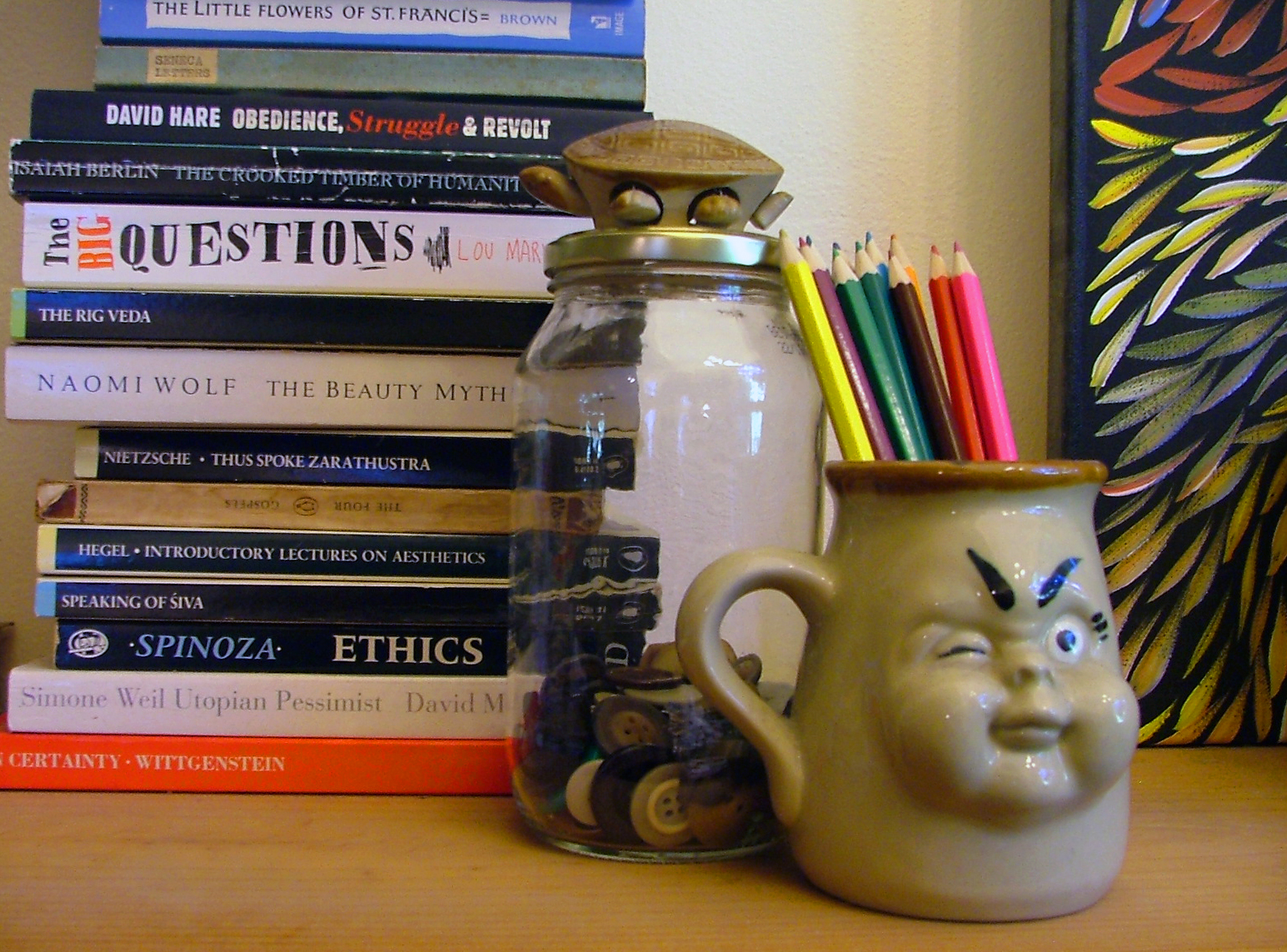
A few years ago I read Lavinia by Ursula Le Guin. She is a beautiful writer who connects world and soul. The novel is set in Bronze Age Latium, now the Italian region of Lazio where my father was born. The novel recreates the last six books of Virgil’s epic poem The Aeneid and embodies the heroic characteristics of stoicism and responsibility. The main character, Lavinia, moves from her family home to her husband’s home. She brings with her the penates and laertes of her ancestors and they join with those of her husband’s family.

After reading the book, I thought about what gods might inhabit our home which is also our office and studio, and sometimes rehearsal space and meeting place.

There are the kitchen gods, which include the gods of recycling and composting; and the hearth gods and pantry gods, who keep us in food and warmth.

The bathroom gods are made of water and light and include the goddess of soap.

The bedroom gods are those of fire and love, clean sheets and slumber.

In the studio live the gods of literature, creativity and productivity, and the nymphs of meditation and reflection, who play with the gods of the common areas and household nooks.

In the air we breath are the spirits of grace and redemption, which do battle when needed with the evil things that sometimes ooze out of corners. You know: anger and envy, greediness and spite.

The animal gods that surround us mostly take the form of currawongs; flocks of them, lined up in choirs, singing at the sunset. They sing thanks for the day just done and warble offerings for safe passage through the night-hours ahead.

Then there are the gods of the garden.  Our one bedroom flat doesn’t have a garden but Roger, our Red Setter neighbour, does.  And his garden hosts the herb and flower gods that heal the mind and spirit with their colour and scent, as well as the soaring red iron barks that stand watch over the art deco flats and giant houses that cling to this steep and lucky hillside.

And then there are the indigenous spirits. Sometimes when I walk the loopy accesses of the harbour I wonder what acts of blood have been enacted in this place. And as the king tides wash away the sand and uncover the shell middens, will the gods of our conscience also be loosened?

These are the gods that we carry with us no matter where we live, demanding special place amongst the penates and laertes of our home.

Posted in Habitat, The Sages | Leave a comment

Basil

A few weeks ago I captured and froze the last days of summer. Now they’re in the freezer ready for use in the long winter months ahead.

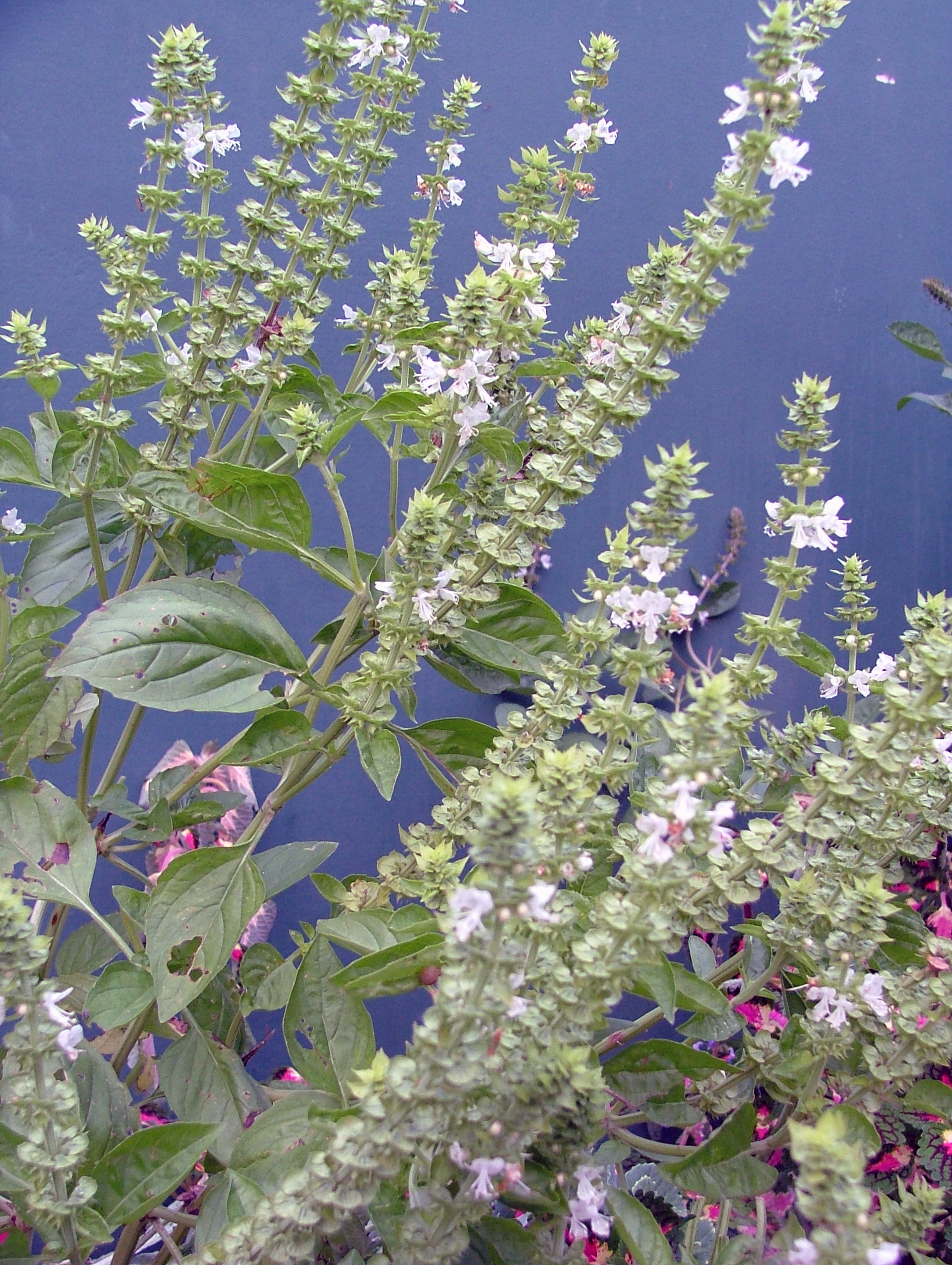
I was standing in my  mother’s backyard amongst an explosion of late summer basil when I experienced an epiphanic food moment. In front of me and in my mother’s kitchen were all the ingredients for pesto! In the blender: newly harvested basil leaves, walnuts from the bowl on my mother’s kitchen counter, olive oil. She keeps litres of it stashed under the stove.  Not only would I be creating a more sustainable lifestyle by eating fresh and local but I would be getting it for free. And with rents as they are in the Eastern Suburbs one must harvest where one can. I didn’t of course clock the food miles that it would take to get my pesto home by car all the way from Fairfield to the shores of the harbour but instead focused on sorting the leaves from the snails. After all one must maintain one’s connection with family, and nature.

The actual making of the pesto didn’t take long but was quite physically arduous, involving a lot of pushing and shoving. After all this was my mother’s heritage that we were exploring and her kitchen that I was invading. She had to make sure that it was done right. No room for experiment here.

And so basil was transformed into pesto.  A gooey dark green paste was poured into a plastic tub. It would be enough I guessed for four pasta meals. I suggested dividing it into four separate portions but my mother assured me that it would not freeze and would remain soft. Grateful for her wisdom and loaded with the pesto, and as much other food as we could fit in the car, I drove home.

The urban environment is a rich source for food foraging – particularly in other people’s kitchens.

A few days later I entertained a friend for dinner. With the pasta pot on the boil and a glass of Semillon in my hand, I sautéed some mushrooms in garlic and chicken(cube) stock. Then for the wild addition to the meal: I proudly removed the pesto from the freezer and dipped in my spoon. Of course it was frozen solid. But dinner must go on! So after separating the pesto, the plastic container and my hand (almost) with the carving knife, we enjoyed the magic of a wonderful home harvested pesto on our supermarket pasta.

Apparently basil is also marvellous for calming the nervous system. Perhaps next summer I will simply make myself a cup of basil tea and watch my mother harvest the basil and make the pesto. And perhaps she can also show me how best to cook the pasta. And although her home made wine isn’t quite a Hunter Semillon, it’s free! And there’s plenty of it!

Posted in Experiments with Food, My Mother and Me | Leave a comment